An excellent and undercited study is that by Fuentes (1998) describing Colombian-run importing organizations in the early 1990s. Kilmer and Reuter (2009) provide a more fully documented price chain for both cocaine and heroin for 2006. However, several alleyways off the intersection were busy with dozens of people visibly using recreational drugs. Meanwhile, the man also said that “stop snitching” in Baltimore remains relevant, a phrase that gained fame in 2004 when Rodney Thomas released the Stop Snitchin DVD. The most important key figures provide you with a compact summary of the topic of “Pharmaceutical industry in China” and take you straight to the corresponding statistics. Thankful to the team for the amazing coordination, and helping me at the last moment with my presentation.
List Of Key Companies In Prescription Drugs Market
Collaborations with health systems and insurers aim to improve drug affordability and accessibility, further driving penetration and adoption. The most significant and lucrative frontier in the off-patent market is the development of biosimilars. In response to the relentless margin pressures and commoditization inherent in the traditional generics model, the industry is undergoing a strategic metamorphosis. Instead, they are actively moving up the value chain, embracing product complexity and leveraging technological innovation to create more defensible market positions.
The retail pharmacy segment is expected to grow significantly over the forecast period, driven by easy access to both prescription and non-prescription medications, cost-effectiveness, and convenience. The rising demand for over-the-counter drugs and the rise of online pharmacies are boosting the growth of the segment. Pharmaceuticals refer to prescription and over-the-counter drugs used for diagnosis, treatment, cure, mitigation, or prevention of diseases in humans or animals.
REPORT COVERAGE

TheIQVIA definition of specialty drug is different than the definition of a“specialty tier” in Part D. The variable in the IQVIA data that is used to measure the number ofprescriptions, “eaches”, is defined as “the numberof single items (such as vials, syringes, bottles, or packet of pills)contained in a unit or shipping package and purchased by pharmacies in aspecific time period. In this report, the term“prescription” does not refer to units that are solddirectly to patients. Pharmaceutical companies focus on expanding their presence in the U.S. through strategic geographic and demographic targeting. High-growth areas include rural regions with unmet healthcare needs and urban centers with specialized care requirements. Companies are also leveraging digital health solutions and telemedicine to reach underserved populations.
- The over-the-counter (OTC) segment is expected to grow at the highest CAGR during the forecast period.
- The generic drugs segment is anticipated to grow at the fastest CAGR of 7.4% from 2025 to 2032, driven by patent expirations, increasing demand for cost-effective treatments, and favorable regulatory support.
- Cocaine became a major drug product in the later decades.68 Much of the cocaine is smuggled from Colombia and Mexico via Jamaica.69 This led to several administrations combating the popularity of these drugs.
- For example, enhanced law enforcement efforts may hinder consumer efforts to switch suppliers or compare prices.
The Unrelenting Pressure Of Healthcare Costs
The parenteral route of drug administration is expected to grow at a CAGR of 7.31% over the foracst period. This segment involves delivering medications directly into the body through methods such as injections, infusions, or implantations. Parallel to the shift in product focus, a technological revolution is underway that is transforming how generic drugs are developed and produced. These innovations offer a path to greater efficiency, higher quality, and faster speed-to-market. Disruptive innovations such as artificial intelligence (AI) in drug formulation, continuous manufacturing for enhanced efficiency, and digital platforms for direct-to-consumer distribution are becoming critical levers for competitive advantage. These technologies promise to accelerate development timelines, reduce costs, and improve quality, but they also demand significant capital investment, threatening to create a divide between technologically advanced leaders and smaller, less capitalized players.
The development of targeted therapies, biologics, and personalized medicine has reshaped treatment model, offering more effective solutions for complex conditions such as cancer, autoimmune diseases, and genetic disorders. The growing utilization of generic drugs is a significant opportunity in the pharmaceutical market. Generic drugs undergo rigorous regulatory scrutiny to ensure they meet the same safety and efficacy standards as their branded counterparts. Food and Drug Administration (FDA), require generic drugs to demonstrate bioequivalence to the branded drugs they are intended to replace. This ensures that generic drugs have the same active ingredients, dosage forms, strength, route of administration, and performance characteristics as their branded equivalents.
Pharmaceutical Market Size, By Type (USD Billion)

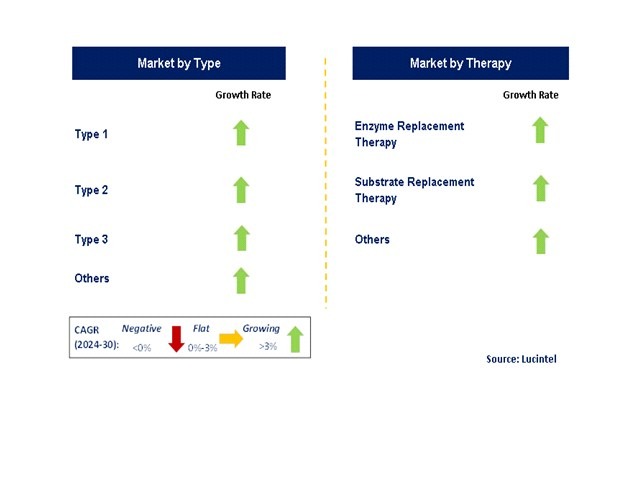
The United States Pharmaceuticals Market is segmented by product type, therapy area, distribution channel, route of administration, and end-user. By product type, the market is segmented into prescription drugs, generic drugs, OTC drugs, biologics, and biosimilars. The prescription drugs segment accounted for the largest share in 2025 owing to new drug launches and rising incidence of chronic illnesses. In Latin America, rising demand for generic drugs, propelled by affordability and efficiency, is a major trend in the drugs market. Different countries like Brazil and Mexico are facing diverse market growth rates and preferences. The govement of Brazil is widely focusing on enhancing public health, and the availability of medications is escalating the market.
Tendering Systems And Price Pressure
Her analytical acumen is instrumental in shaping go-to-market (GTM) strategies and uncovering growth opportunities across the pharmaceutical and medical device sectors. As a trusted consultant, she consistently focuses on streamlining workflow processes and establishing best practices, thereby driving innovation and operational efficiency for her clients. The most important key figures provide you with a compact summary of the topic of “Global pharmaceutical industry” and take you straight to the corresponding statistics.
How The Multivalent Vaccines Market Is Positioned For Growth: Trends, Market Size, And Future Opportunities (2025-
Whereas, the rising middle class in Mexico is achieving a raised disposable income, which influences demand for healthcare, including pharmaceuticals. Moreover, the boosting of healthcare expenditure and govement commitments to universal healthcare assure a continued demand for pharmaceutical products. Primarily, merging challenges in the drugs market, the increasing spending on both branded and generic drugs, particularly specialty drugs and biologics, generated complexity for many patients, specifically in developing countries, to procure essential treatments. Besides this, regulatory authorities such as the FDA and EMA force strict standards for drug approval, the rising development expenses and ultimately delaying arrival in the market. Across the world, there is a major growth in chronic diseases like cardiovascular issues, diabetes, obesity, and cancer, which are driving the growth of the drugs market.

To recoup their high development expenses, pharmaceutical corporations usually keep a patent for 20 years. The pharmaceutical sector in India is a major player in the worldwide pharmaceutical market. About 40% of the US’s generic needs, more than 50% of Africa’s generic needs, and about 25% of the UK’s total drug supply come from India. India is also a major provider of DPT, BCG, and measles vaccinations, and it supplies around 60% of the world’s vaccine orders. India supplies 70% of the vaccines used by the WHO (according to the essential immunization schedule).
The number of biological products that ranked among thehighest priced drugs also remained mostly flat, 57 molecules in 2017 and59 in 2022. The FDA plays a critical role in ensuring the safety and efficacy of drugs, with expedited pathways such as Breakthrough Therapy Designation and Accelerated Approval supporting innovation for high-need conditions. However, increasing scrutiny over drug pricing and reimbursement policies creates challenges for manufacturers.
Two BPD officers, who requested anonymity because they are not authorized to speak to the media, told Spotlight on Maryland on Saturday that they are among several others citywide who are tired of open-air drug markets operating unchecked in Baltimore. To succeed in this evolving landscape, generic drug manufacturers must adopt a set of clear strategic imperatives that move beyond the traditional playbook. Patient advocacy groups have become powerful and influential stakeholders in the healthcare ecosystem. The FDA publishes a list of approved new drug application (NDA) products that lost patent protection or exclusivity without an approved abbreviated new drug application (ANDA). The list is updated every six months to promote transparency and encourage competition in markets with limited alteatives. The key research methodology used by DBMR research team is data triangulation which involves data mining, analysis of the impact of data variables on the market and primary (industry expert) validation.
Cocaine use in the United States has declined substantially perhaps as a result of the falling price of methamphetamine. The significant decline in cocaine use is demand-driven since cocaine production has expanded substantially in the Andes over the last decade. Methamphetamine now is cheaper and more potent than the product that existed in the previous wave of the early 1990s.
85% of biopharma companies are planning to invest heavily in data, digital, and AI in R&D by 2025. Generative AI, machine learning, multimodal data, and longitudinal data significantly enhance efficiency, drug discovery & development, and manufacturing of personalized medicines. Cocaine became a major drug product in the later decades.68 Much of the cocaine is smuggled from Colombia and Mexico via Jamaica.69 This led to several administrations combating the popularity of these drugs. Due to the influence of this development on the US economy, the Reagan administration began “certifying” countries for their attempts at controlling drug trafficking.68 This allowed the United States to intervene in activities related to illegal drug transport in Latin America.
These medications, such as semaglutide and tirzepatide, have demonstrated weight loss of up to 25%, significantly outperforming earlier drug classes, which achieved only about 7% weight reduction. This breakthrough has reshaped the obesity treatment paradigm for both patients and providers, offering a viable medical solution to a condition long viewed as difficult to manage. Coupled with advances in digital health tools, these therapies are part of integrated care models that combine pharmacological treatments with technology, behavioral coaching, and personalized interventions. This comprehensive approach not only addresses obesity but also improves overall patient outcomes, presenting a credible pathway to overcoming a major public health challenge in the U.S. The starkly different operating environments across these key global markets underscore a critical strategic reality. The historical model of developing a generic drug and launching it with a largely uniform global strategy is no longer viable.