Unauthorized charges were not blocked for 81% of users who didn’t have the alerts turned on. Card scammers and thieves are skilled at finding the existing vulnerabilities within payment systems. Becoming familiar with their techniques can help you retain control over your money. Your personal information can sell for upwards of hundreds or even thousands of dollars on the dark web—and you might not even know it’s even out there to begin with.
By adding an extra layer of authentication, financial institutions reduce the risk of fraudulent activities during transactions. This proven technology, seamlessly working in the background, analyses transaction data and authenticates users in real-time, ensuring only legitimate transactions proceed. Additionally, securing transactions with a 3-D Secure ACS (Access Control Server) solution plays a pivotal role in bolstering the overall fraud prevention strategy. With stolen payment cards, a cybercriminal can immediately make purchases under your name, or even drain your bank account. And what’s worse, this shady corner of the internet is only getting bigger.
How Much Is Your Personal Information Sold For On The Dark Web?

To protect yourself from credit card theft and fraud, be careful and be covered. A rogue restaurant employee can copy your card data when you’re not looking (this scam is called shoulder surfing). Or, a call center worker can write down your information when you pay via credit card over the phone.
The Prevalence Of Stolen Credit Cards In North America
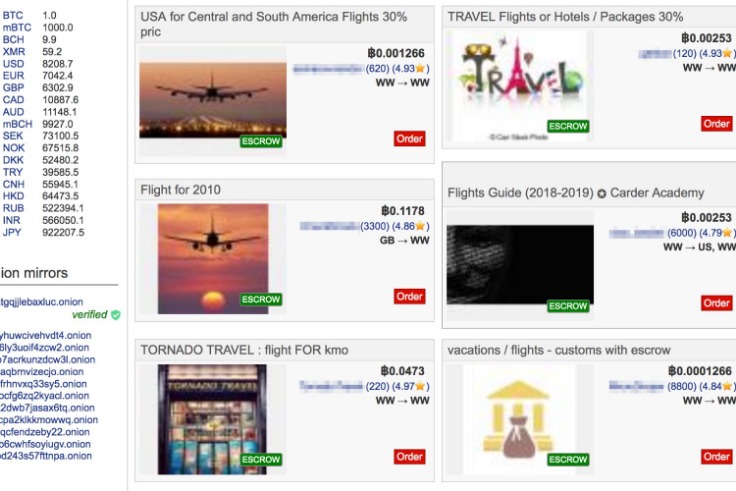
The Dark Web is a hidden part of the internet that can only be accessed through specialized software. It operates beyond the reach of normal search engines and is known for its anonymity. Criminals take advantage of this anonymity to carry out illegal activities, including the buying and selling of stolen credit card information. On the Dark Web, hackers and fraudsters can find a wide array of resources to exploit credit card data, such as sale platforms and forums. These illegal activities are made possible by the layer of anonymity provided by Tor and other similar networks. Card Shops are a type of dark web marketplace that hosts the trade of credit cards and other stolen financial information.
- Its affordability and reliability have earned it a loyal customer base.
- Carding groups and channels reach up to tens of thousands of members, as they are easy to navigate and readily accessible.
- Since it was established in 2020, Real and Rare has been considered to be a stable credit card site that suffered very few downtimes.
- So, if you are curious about the mechanics of the Dark Web and how credit card transactions take place in this hidden realm, read on to discover the secrets of this nefarious underworld.
- It will allow you to create a private and secure connection to the internet.
Responding To Detected Credit Card Fraud
- Cybercriminals are also willing to shift their wares to other channels in response to market closures.
- By observing how threat actors advertise and price different types of card data, we can identify which security measures they’re successfully bypassing and which ones are still effective.
- Customers who lose their card data to fraud may turn to a different card while waiting for a replacement card, threatening the top-card effect of passing all spending across one preferred card.
- Marijus Briedis, CTO at NordVPN, said the details for sale on the dark web are increasingly acquired through brute-forcing.
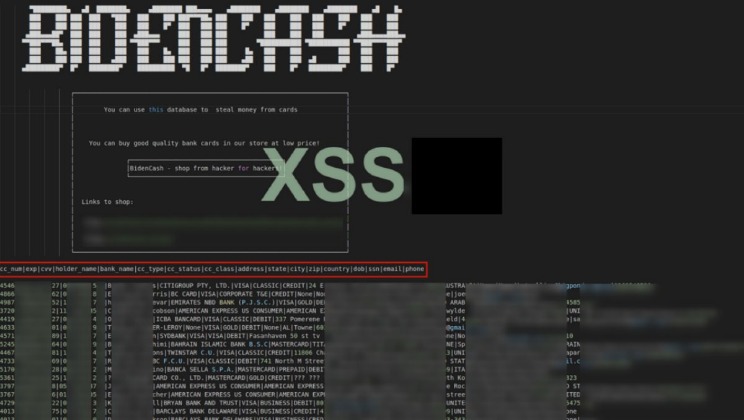
During the holiday season, cybercriminals turn to e-skimming, Greg Foss, Senior Cybersecurity Strategist at VMware Carbon Black, told Fox News. For instance, BidenCash saw a surge in user activity following its free data leaks. If you’re unable to block the fraudulent charges, there’s no guarantee they will be refunded or removed from your statement. Resolving an unauthorized transaction involves opening a claim with your card provider, which may result in an investigation and a potentially lengthy chargeback process. We will also share some effective safety tips and discuss how virtual cards can help protect you from card fraud. Join us as we break down and discover the methodologies of card fraud using our dark web monitoring tool, Lunar.
Securing Transactions With 3-D Secure ACS
Monitoring the deep and dark web becomes imperative for proactive defense against such threats. Lunar, our dark web monitoring tool is designed to empower individuals and businesses in this battle against cybercrime. This category, known as Dumps on the dark web, encompasses the raw magnetic strip data of credit cards. It includes critical information such as the bank account number, account balance, service code, PIN code, and card verification code. These details are primarily sought for physical use, enabling activities such as cash withdrawals from ATMs.
Inside The Surprisingly Sophisticated Marketing Of Carding
Buying and selling stolen credit card information on the dark web is illegal, but it’s a practice now rooted deep in the system. Even with strict punishments, dark web credit card stealing is at an all-time high. If we believe the data, more than 65% of the overall credit card holders have been duped at some point. Our researchers found one ad asking $5,000 for access to a corporate network, while another was priced at $2,500 for VPN credentials purportedly to a Korean company with an estimated $7 billion in revenue. The common verification flow has the person who bought the stolen bank needing to confirm identity to the bank.
You can also share your virtual card details with family members without revealing your underlying bank information. This can be especially useful for parents wanting to manage their children’s online spending with full control of the card settings. Millions of customers’ card data have been compromised in the past decade. No matter how vigilant you are, there is nothing you can do to prevent a data breach on a merchant’s website, but using a virtual card can shield your actual card data from being exposed. A data breach occurs when confidential or protected information is exposed to unauthorized people or endpoints.
Warning For Would-Be Fraudsters
The threat actor behind the AllWorld Cards marketplace has a clear goal in mind. They are actively promoting the platform on Dark Web hacking-related platforms since late May 2021. Telegram carding groups have become a significant threat in the cybercriminal community, with tens of thousands of members easily accessible through the chat application. The three suspects from Indonesia confessed to stealing payment card data using the GetBilling JS-sniffer family.
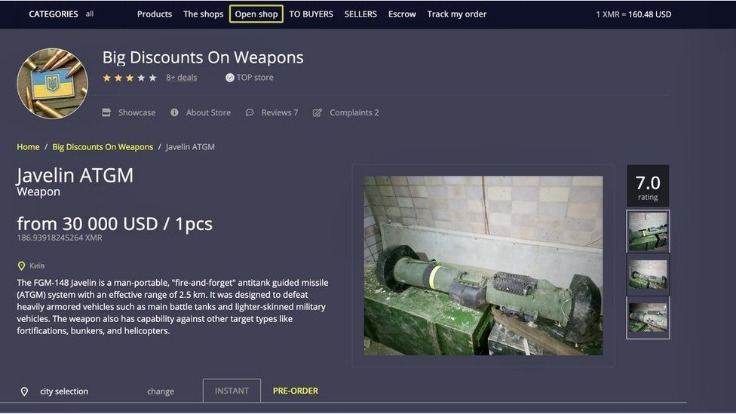
Over the years several advanced tools have been developed to help track and prevent such fraudulent activities. The endgame for cybercriminals is peddling stolen credit cards that go for an average rate of $10 to $20 per card on the dark web, according to Mr Foss. PayPal accounts sell for $2 to $10 per account, with accounts holding more money costing even more.
The cybersecurity community is on high alert as B1ack’s Stash, a known marketplace on the dark web, has announced a massive leak of 4 million stolen credit card details. Focusing mostly on the North American market, for the purpose of this research, Flare has sampled the information of 500,000 credit cards. The dark web, also known as the “underbelly of the internet,” is an anonymous network of websites. Though it has some legitimate uses, it has become a marketplace for illicit activities. The dark web is a hidden layer of the internet that isn’t indexed by regular search engines and can only be accessed using special software like Tor. While it has legitimate uses, many illegal activities also take place there.
Million Stolen Credit Cards Given Away Free On Dark Web Forum
Judging from the activity on the shop, BidenCash appears to be thriving in 2023, providing an active data and money exchange platform in a market that has experienced a decline in recent years. In addition to the risk for payment card holders, the leaked set could also be used in scams or other attacks targeting bank employees. This time, the leaked data contains card numbers, expiration dates, and three-digit security codes (CVVs).
Their SaaS-based solution powered by machine learning and human analysis provides organizations’ insights to cyber threats introduced by suppliers and enables them to respond to them faster and more efficiently. Experian websites have been designed to support modern, up-to-date internet browsers. Additionally, be cautious when sharing personal details online, especially on social media platforms where hackers may gather information for phishing attacks. Avoid clicking on suspicious links or downloading attachments from unknown sources, as these can lead to malware infecting your devices and compromising your data. By taking these simple but effective precautions, you can significantly reduce the risk of your personal information falling into the wrong hands. Freshtools is a unique marketplace in that it does not only provide the stolen data, but it allows criminals to purchase MaaS which can cause further damage to the victims.
What Is The Average Cost Of Dark Web Credit Cards?
Comparitech researchers gathered listings for stolen credit cards, PayPal accounts, and other illicit goods and services on 13 dark web marketplaces. For legal reasons, we will not publicly disclose which marketplaces were used. Information in the listings was entered into a spreadsheet for data analysis and statistical calculations. The technique is very profitable in its own right, but it is also used to help launder and cash-out cryptocurrency obtained through other types of cybercrime.