A carding attack not only impacts the person whose card has been compromised. When online merchants are hit with a carding attack, they often pay a heavy price as well. Bots also enable the carder to rapidly change the IP address from which they are attacking, which makes it much more difficult for traditional anti-fraud technologies to identify and block an attack. I would suggest taking a different approach, which would be to review the BIN at submission and record a score, or store the card type and country for the merchant to review directly. Leave the credit information information exactly where it is meant to be kept (on the payment gateway), which already has been PCI compliance tested and secure. The merchant just needs to deal with the fact that they have to log into their merchant account to see it.
How Do Scammers Get Working BINs?
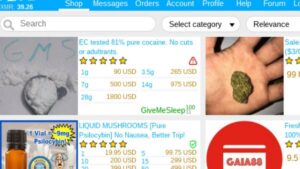
A carding website is an illegal platform, often hosted on the dark web, where cybercriminals buy, sell, or test stolen credit card information. These sites may offer tools or services like botnets or scripts to automate attacks on legitimate e-commerce stores. Businesses need to stay alert, as traffic from these sources can target checkout forms for automated fraud.
Fraudsters generate proof by making a small transaction or checking a gift card balance, then selling that verified information. Preventing carding attacks early helps eliminate the ability to produce this proof in the first place. In line with b1ack’s freebie marketing strategy, they announced the release of 1 million stolen payment cards for free on several popular carding forums on the last day of April this year. This massive giveaway served as the grand launch celebration for their “carding shop”. The threat group mentioned that users could claim their share by signing up at their shop and visiting the freebies section. According to them, this gesture was their way of saying thank you for choosing b1ack’s Stash for carding needs.

There’s a wealth of information shared among carders—from how to bypass anti-fraud systems to practical guides on using stolen credit cards—all of which helps keep the ecosystem active and evolving. The CVV is a security number used for online credit and debit card payments. Due to data security regulations, online shopping sites are not permitted to store private data such as a card number, CVV, or PIN. Additionally, this code is used in “Card Not Present” transactions, which are frequently performed over the phone or online.
ITALY NON VBV BINS
Plenty of advertisements on cyber criminal forums offer services that install sniffer malware on target systems. This only adds another step to the carding chain, and another stage of the process that enables third parties to cream off a profit for themselves. One forum user lamented, “Give me back my 2002.” In those days, carding was a much simpler matter. A practitioner of carding, in the context of credit card fraud, usually using bots for the carding process discussed below. A dark web carding market named ‘BidenCash’ has released a massive dump of 1,221,551 credit cards to promote their marketplace, allowing anyone to download them for free to conduct financial fraud. In many cases, you will know that your information has been hacked only when an unauthorized purchase shows up in your credit card or debit card account.
How Do Criminals Steal Credit Card Information?
Your credit card issuer then sends the payment to the merchant on your behalf, and you’re left with a balance that you’ll have to pay back. If you pay off your balance in full by the due date, you won’t have to pay any interest. However, if you carry a balance, you’ll have to pay interest on the amount you owe.

All of this information winds up on online carder forums where it is sold to be used for unauthorized purchases. The CVV can be stored in the card’s magnetic strip or in the card’s chip. The seller submits the CVV with all other data as part of the transaction. The issuer can approve, refer, or decline transactions that fail CVV validation, depending on the issuer’s procedures. The fullz package includes a person’s real name, address, and form of identification.

Performing Fraudulent Transactions
Unlike traditional credit card theft, carding doesn’t always require stealing the physical card—just the digital details. In many cases, attackers only need stolen card information obtained through data breaches or sold on the dark web. In recent years, I’ve observed some shifts in how carding is carried out—changes that mirror broader developments in both technology and threat intelligence research. Notably, cryptocurrency has become a valid option for carding operations, whether through exploiting stolen crypto wallets and accounts or using stolen credit card details to purchase cryptocurrency.
While stealing card data can sometimes be relatively easy, successfully using it is far more difficult. Transactions can be quickly flagged or blocked, making fraud attempts risky and unreliable. As a result, carding communities are developing new strategies to leverage existing online platforms and withdraw money from stolen credit cards. Dark web monitoring platforms, such as Lunar, provide an automated solution to safeguard personal identifiable information (PII) and credit card details. These platforms continuously scour the deep and dark web, looking for any traces of your sensitive information.
- Without this verification, there is a possibility that someone else could make purchases using your card.
- The representative initially stressed that vendors don’t need to make a deposit to sell on the site; later, they changed the rule and stipulated that sellers must deposit $50 into the system.
- The CVV’s primary objective is to guarantee safe online credit and debit card payment processing.
- Your card could be used by someone else to make purchases if this verification is not done.
- The data format, which includes user agents and victim IP addresses typically observed in both local and global phishing attacks, allows us to assert with high confidence that it originated from such activities.
These tools offer consumers the most effective way to defend against carding attacks. Outpost24 analysts have observed Rescator advertisement banners in many forums, such as Club2CRD and Black Bones. Sponsoring underground forums is a popular way to attract new customers and recover the old ones after approximately two years of inactivity. Along with the banners, the card shop operators post frequent updates about Rescator products in the cybercriminal underground using the moniker “LegendaryRescator”. Rescator offers cards (aka CVVs), dumps, wholesale, as well as its own checker (a tool for checking the validity rate of compromised cards).
What Are The Best CVV Shops In 2025?
Malicious bots play a critical role in carding attacks by enabling fraudsters to test thousands of card combinations at scale, quickly and efficiently. Unfortunately, if your card got into the hands of a thief or criminal, he has full access to the card number and expiration date. Shopping online without a CVV has become a convenient option for purchasing items. While in-store shopping is a common routine, it can be difficult to find time, especially when working from home with a busy schedule. Online shopping provides the flexibility to shop anytime, anywhere, and often offers the best prices. It does not encourage illegal activity and is intended to raise awareness for cybersecurity threats and fraud prevention.
Crdcrew Carders Forum
Obviously safe, if the business or website seems legit and well-known. It is good to see, that most online shops ask for CVV when customers purchase things. It’s a good sign that indicates they are taking proper steps to prevent fraudulent activities.
How Can I Protect My Business From Carding?
Because the purpose of the scam call is to deceive you by stealing your card details. Stripe also offers Radar for Fraud Teams, which allows users to add custom rules addressing fraud scenarios specific to their businesses and access advanced fraud insights. Dark web communities are knowledge hubs where experienced carders share techniques, guides, and advice with newcomers. These platforms also enable networking and collaboration, allowing users to coordinate more sophisticated fraud operations. Although it offers leaks from many different countries, the site has a dedicated lookup and leak section for Canadian profiles, making it extremely easy to use for buyers interested in Canadian leaks. The site also has a unique news section, listing new leaks and their size.
If you have a credit card, you may want to think about making purchases online using just the card number and not the CVV. Although it depends on the rules of some well-known stores that forbid the use of CVV, this is achievable. We will go into great detail about this choice in this article.Prior to buying online without a CVV, it is crucial to acquire carding knowledge. LIST OF CARDABLE SITES NO CCV Is a CVV required for online shopping? Online shopping without a CVV has grown in popularity as a practical way to make purchases. Even while shopping in stores is a normal ritual, finding the time to do it can be challenging, particularly if you work from home and have a hectic schedule.
How Will I Use This In Real Life?
That said, let’s look at a few other measures used by businesses to combat carding fraud, and which you can implement, too. Sadly, the US is a major target for carding since it doesn’t employ chip and PIN technology similar to what other countries use to safeguard debit and credit cardholders. In fact, between 2020 and 2021, card fraud increased by over 10% worldwide, with US merchants and card owners alone losing $12 billion. It is expected to cause losses of over $362 billion to global merchants between 2023 and 2028. Criminals frequently target websites with gift card balance check pages that have weak security protections.