
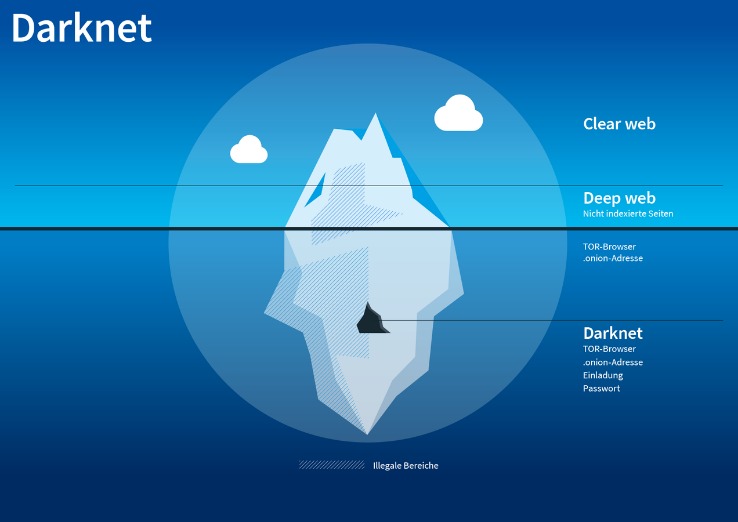
Certain side effects of these drugs, such as changes in mood and behavior, breathing problems, constipation, and lightheadedness can be particularly bothersome while you are pregnant. Also, results from one study have shown a link between certain birth defects and the use of opioids by pregnant women. Oxycodone is a controlled substance because it can be misused or lead to dependence. As observed in our data set, the opioid suppliers in the marketplaces Evolution, Pandora, and Silk Road accepted escrow as a method of payment.

What Are The Health Risks Of Using Opioids?
If the decision is made to prescribe a benzodiazepine or other CNS depressant concomitantly with an opioid analgesic, prescribe the lowest effective dosages and minimum durations of concomitant use. In patients already receiving an opioid analgesic, prescribe a lower initial dose of the benzodiazepine or other CNS depressant than indicated in the absence of an opioid, and titrate based on clinical response. If an opioid analgesic is initiated in a patient already taking a benzodiazepine or other CNS depressant, prescribe a lower initial dose of the opioid analgesic, and titrate based on clinical response. Inform patients and caregivers of this potential interaction and educate them on the signs and symptoms of respiratory depression (including sedation). OXYCONTIN contains oxycodone, a Schedule II controlled substance. As an opioid, OXYCONTIN exposes users to the risks of addiction, abuse, and misuse.
WARNINGS AND PRECAUTIONS
When discontinuing OXYCONTIN in a physically dependent patient, gradually taper the dosage. Rapid tapering of oxycodone in a patient physically dependent on opioids may lead to a withdrawal syndrome and return of pain see DOSAGE AND ADMINISTRATION and Drug Abuse And Dependence. Patients who experience breakthrough pain may require a dosage adjustment of OXYCONTIN or may need rescue medication with an appropriate dose of an immediate-release analgesic. If the level of pain increases after dose stabilization, attempt to identify the source of increased pain before increasing the OXYCONTIN dosage. Because steady-state plasma concentrations are approximated in 1 day, OXYCONTIN dosage may be adjusted every 1 to 2 days.
We And Our Partners Process Data To Provide:
Because clinical trials are conducted under widely varying conditions, adverse reaction rates observed in the clinical trials of a drug cannot be directly compared to rates in the clinical trials of another drug and may not reflect the rates observed in practice. If you feel that the medicine is not working as well, do not use more than your prescribed dose. This medicine may cause sleep-related breathing problems (eg, sleep apnea, sleep-related hypoxemia). Your doctor may decrease your dose if you have sleep apnea (stop breathing for short periods during sleep) while using this medicine. It is against the law and dangerous for anyone else to use your medicine. People who are addicted to drugs might want to steal this medicine.
Oxycodone Cost And Financial Assistance
The main difference between OxyContin and oxycodone is how they are released into the body. When abused, OxyContin tablets or capsules are often chewed, crushed, snorted, mixed into a solution and injected, or smoked on tin foil. These techniques override the pills’ time-release feature and flood the brain with the drug. This engages special neurotransmitters to produce an intense “high” or euphoric state similar to that of heroin or opium. Since 2010, OxyContin has been manufactured in tamper-resistant, crush-proof tablets that are impossible to snort or inject. When an opioid overdose is suspected, naloxone hydrochloride should be administered as soon as possible.
This medicine may cause a serious type of allergic reaction called anaphylaxis, which can be life-threatening and requires immediate medical attention. Call your doctor right away if you have a rash, itching, hoarseness, trouble breathing or swallowing, or any swelling of your hands, face, or mouth while you are using this medicine. It is very important that your doctor check your progress while you are using this medicine, especially within the first 24 to 72 hours of treatment. This will allow your doctor to see if the medicine is working properly and to decide if you should continue to take it. Blood and urine tests may be needed to check for unwanted effects. Ask your healthcare professional how you should dispose of any medicine you do not use.
Addiction can occur at recommended doses and if the drug is misused or abused. For geriatric patients who are debilitated and not opioid tolerant, start dosing patients at one-third to one-half the recommended starting dosage and titrate the dosage cautiously. Regularly evaluate for signs of respiratory depression, sedation, and hypotension see Use In Specific Populations. Close observation and frequent titration are warranted until pain management is stable on the new opioid.
- Opioid-Induced Hyperalgesia (OIH) occurs when an opioid analgesic paradoxically causes an increase in pain, or an increase in sensitivity to pain.
- Preoccupation with achieving adequate pain relief can be appropriate behavior in a patient with inadequate pain control.
- Factors like your age, history with opioids, and other medications may also affect the specific drug your healthcare provider uses.
- Health professionals look at a person’s withdrawal symptoms and tolerance level, among other factors, to determine if a person has an opioid addiction—a severe opioid use disorder.
- Make sure you store the medicine in a safe and secure place to prevent others from getting it.
Noroxycodone exhibits very weak anti-nociceptive potency compared to oxycodone, however, it undergoes further oxidation to produce noroxymorphone, which is active at opioid receptors. Although noroxymorphone is an active metabolite and present at relatively high concentrations in circulation, it does not appear to cross the blood-brain barrier to a significant extent. Oxymorphone is present in the plasma only at low concentrations and undergoes further metabolism to form its glucuronide and noroxymorphone. Oxymorphone has been shown to be active and possessing analgesic activity but its contribution to analgesia following oxycodone administration is thought to be clinically insignificant. Other metabolites (α- and ß-oxycodol, noroxycodol and oxymorphol) may be present at very low concentrations and demonstrate limited penetration into the brain as compared to oxycodone.
Archived Press Releases

The first step in the marketing strategy was to seek approval to sell OxyContin from the Food and Drug Administration. According to Purdue documents in a review conducted in 2006 by the Justice Department, Wright met with Purdue Pharma representatives in a hotel room near the FDA offices in Rockville, Maryland, between January 31 to February 2, 1995. People can build up tolerance to OxyContin or oxycodone over time.
(Christopher Berkey For The Los Angeles Times)
Prescribed to help manage moderate to severe pain, oxycodone is an opioid analgesic drug. It acts on the central nervous system (CNS) of the brain, essentially suppressing pain signaling and stimulating the body’s own pain managing system. Drinking alcohol, taking prescription or nonprescription medications that contain alcohol, or using street drugs during your treatment with oxycodone increases the risk that you will experience serious, life-threatening side effects. Do not drink alcohol, take prescription or nonprescription medications that contain alcohol, or use street drugs during your treatment. Dose proportionality has been established for OXYCONTIN 10 mg, 15 mg, 20 mg, 30 mg, 40 mg, 60 mg, and 80 mg tablet strengths for both peak plasma concentrations (Cmax) and extent of absorption (AUC) (see Table 6). Given the short elimination t½ of oxycodone, steady-state plasma concentrations of oxycodone are achieved within hours of initiation of dosing with OXYCONTIN.

If This SPL Contains Inactivated NDCs Listed By The FDA Initiated Compliance Action, They Will Be Specified As Such
Taking this medication with other substances that cause drowsiness, such as alcohol, benzodiazepines, or other opioids can cause serious side effects. Call emergency services if you have problems breathing or staying awake. The information on Torhunter.com is for educational purposes only and is not medical advice. Always consult with a healthcare professional before taking any medications or making healthcare decisions. Call your healthcare provider if the dose you are taking does not control your pain.
How Should I Store Oxycodone?
Swallow the food/medicine or water/medicine mixture immediately. Use the measuring cup or oral syringe that comes with your oxycodone oral liquid prescription to measure your dose of medicine. A household spoon is not an accurate measuring device and may cause you to take the wrong dose. Throw away any unused or expired oxycodone by taking the medicine to a U.S. Drug Enforcement Administration (DEA) collection site or a medicine take-back program.

Underground Opioid Trading

OxyContin and immediate-release oxycodone belong to a drug class called opioids. A class of drugs is a group of medications that work in a similar way and are often used to treat similar conditions. Immediate-release oxycodone and OxyContin both bind to receptors in your brain and spinal cord. Misusing oxycodone can lead to serious side effects, such as coma or death. Misuse means taking a medicine in a way other than how it was prescribed. Tell your health care provider if you feel that oxycodone is not working.
Therefore, it’s important to take the medication exactly as prescribed and to know how to recognize the signs of an opioid addiction. OxyContin and oxycodone are Schedule II drugs under the Controlled Substances Act. Drugs in this category have a high potential for abuse and can potentially lead to psychological or physical dependence. Crushing, chewing, or dissolving an OxyContin tablet can damage the protective coating.
Because extended-release products such as OXYCONTIN deliver the opioid over an extended period of time, there is a greater risk for overdose and death due to the larger amount of oxycodone present see Drug Abuse And Dependence. A multimodal approach to pain management may optimize the treatment of chronic pain, as well as assist with the successful tapering of the opioid analgesic see WARNINGS AND PRECAUTIONS and Drug Abuse And Dependence. It is important to ensure ongoing care of the patient and to agree on an appropriate tapering schedule and follow-up plan so that patient and provider goals and expectations are clear and realistic. When opioid analgesics are being discontinued due to a suspected substance use disorder, evaluate and treat the patient, or refer for evaluation and treatment of the substance use disorder.