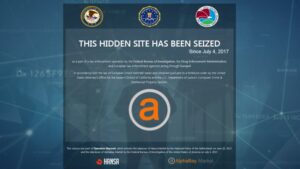
When people go on about the so-called dark web, they’re usually talking about onion sites, which aren’t searchable via Google or accessible via standard browsers. On the regular web, domains such as are translated into their actual IP addresses via the domain name system (DNS). One of the easiest and most popular ways of accessing onion sites on regular browsers is via a Tor proxy. Many websites are available on the clear web that let you access any onion link by simply routing it through a Tor proxy and rending the output in your browser.
- Our rigorous research and testing have revealed revealing truths and busted myths.
- Now that we know the differences between the deep and dark web, it’s clear that visiting the deep web isn’t illegal.
- And use a VPN for Android or a VPN for iOSto get a secure, private connection.
- If you must download a file, verify its source and consider using a sandbox or virtual machine to open it safely, away from your primary operating system.
- Keep in mind it contains ALL content that’s sent between servers without passing by the general public first.
- It’s legal to access the dark web in the U.S. and most other countries.
Anything you need to do that has to be off the books to some extent, for noble or ignoble reasons, can be done on the dark web. The dark web, which is what I’m discussing here, is a small subset of the deep web, and refers to websites that are specifically trying to stay out of sight. Instead, download Tor, the most secure and user-friendly option for accessing .onion sites. Despite some skepticism about its origins and privacy due to its military development, Tor remains the preferred choice for safe dark web navigation. The most common of these browsers is Tor, which launched in 2002 and serves millions of users.
Can A VPN And Tor Make The Dark Web Completely Private And Secure?
The “VPN-over-Tor” approach offers added protection, even if Tor is compromised. By distributing communication over several nodes, it obscures the user’s IP address. While difficult, tracking is possible if security measures are misconfigured or if users reveal personal information. Onion links are URLs that end with .onion and can only be accessed through the Tor network.
Navigating Dark Web Directories Safely
All types of personal data can be distributed online for a profit. Passwords, physical addresses, bank account numbers, and social security numbers circulate in the dark web all the time. You may already be aware that malicious actors can use these to harm your credit, engage in financial theft, and breach of your other online accounts. Leaks of personal data can also lead to damage to your reputation via social fraud. The reputation of the dark web has often been linked to criminal intent or illegal content, and “trading” sites where users can purchase illicit goods or services.
What Is The Safest Way To Access The Dark Web?
One of the challenges of exploring the dark web is that you can’t just use a search engine and type in what you’re after like you would on the surface web. Instead, you often have to consult directories to find lists of legitimate sites and visit and access them that way or use special dark web-friendly search engines. There are numerous phishing sites, too, as explained earlier, designed to fool users into giving up their personal data. As such, it’s important to be extremely careful when accessing the dark web, as you could inadvertently access a site containing, displaying, or linking to illicit content in some form. It’s illegal to use the dark web for any form of criminal activity, like buying stolen goods, drugs, user accounts, and so on. The dark web contains bogus and shady websites promoting illegal products and services.
FAQs On Accessing The Dark Web On A Phone
It ensures your activities remain untraceable, providing peace of mind. Plus, its battery-saving technology means less CO2 generation, aligning with eco-conscious values. This allows you to go online anonymously and without ISP monitoring. The key is to encrypt your traffic BEFORE you use Tor so that your ISP (Internet Service Provider) doesn’t see you’re in the Tor network. The so-called surface web is readily accessible to all of us and thereby, less interesting. Well, relying on Tor to keep you anonymous online is a good recipe for disaster – we’ll see why soon.
Once you’ve securely connected to the Dark Web via Tor, the next step is locating legitimate .onion sites. Unlike traditional websites, .onion addresses aren’t indexed by mainstream search engines, requiring specialized methods to find them safely and reliably. The dark web is like the hidden basement of the internet, only accessible through special tools such as the Tor browser. Unlike the surface web, which is indexed by search engines like Google, the dark web requires some digital maneuvering to access its .onion sites. It’s important to note that not everything in this space is illicit; it serves as a refuge for privacy-conscious individuals and whistleblowers. A VPN adds that extra layer of privacy you need when browsing the dark web on Tor.
How To Fix Internet/Wi-Fi Issues In Windows 11 24H2 Update
Hence, using antivirus software can help in boosting your online security. Finding websites on the Dark Web typically involves using specific directories, such as The Hidden Wiki, or search engines like DuckDuckGo, Torch, and NotEvil. These resources can guide you to various legal .onion sites, ranging from forums and news outlets to more specialized services. Put simply, the deep web is all the information stored online that isn’t indexed by search engines.
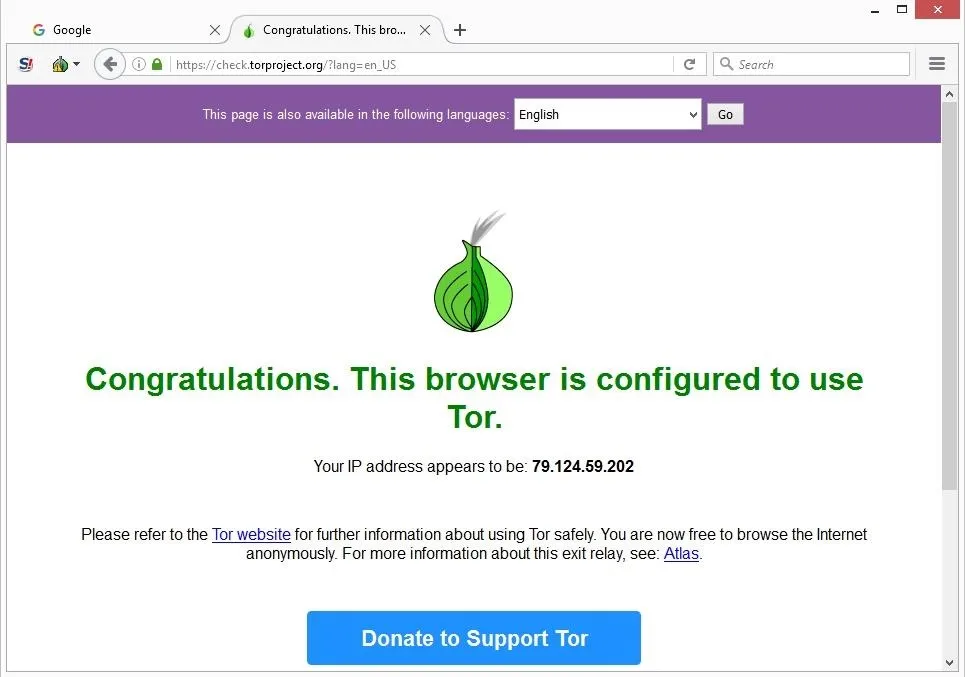
On the software end, the use of Tor and other anonymized browsers is not strictly illegal. In fact, these supposed “dark web” browsers are not tethered exclusively to this portion of the internet. Many users now leverage Tor to browse both the public Internet and the deeper parts of the web privately. When viewed through this lens, the dark web’s legality is based on how you as a user engage with it.
Downloads
For example, journalists, whistleblowers, and privacy-conscious individuals often use it to communicate securely or access uncensored information in restrictive regions. However, some activities on the dark web — such as illegal marketplaces or hacking forums — can be against laws in many jurisdictions. No, while it hides your IP address and traffic, there are still vulnerabilities. Malicious exit nodes can monitor your traffic, and browser fingerprinting can track you. Governments also often monitor Tor usage, even if they can’t see your activity.
- Though most volunteers mean well, others are malicious actors and surveillance agencies.
- Although the dark web might have some gray use, it is undoubtedly a dangerous place to venture.
- Use aliases and avoid any activity that might reveal your identity.
- Connections made while a VPN is active will also be encrypted, helping you stay protected from eavesdropping and man-in-the-middle attacks.
How To Access Onion Sites Without Tor Browser
Each address also contains cryptographic information that enables a dark web browser to connect to the site. That allows .onion sites to be accessible anonymously without services like DNS. The dark web is a murky part of the internet that isn’t accessible via a normal browser — and can be dangerous to visit if you don’t know what you’re doing.
Sites on the dark web don’t come with easy-to-remember URLs, and many disappear suddenly. A dark web search engine can help you surf sites on the Tor browser. You’ll actually have to find the dark websites that you want to search on your own. Getting to the dark web is actually a lot easier than you might think—navigating it is a different story. Here’s a quick tutorial on how to safely access the dark web and tips on how to use it. You can use Google, but DuckDuckGo has a built-in feature, Onionize, that will find onion links for your searches.
Can I Access Websites On The Dark Web On My Phone, IPad, Or Chromebook?
To maintain anonymity on the dark web, use strong passwords, avoid revealing personal information, and consider using a secondary device that doesn’t contain sensitive applications. This internet space can be dangerous but you can safely get on it by using a VPN and then connecting to Tor. Our experience has shown that this is the #1 way of doing things without risking your privacy. Private Internet Access even offers the Shadowsocks proxy for added security. There’s also MultiHop that boosts your encryption, along with MACE which blocks tracking. PIA doesn’t pull punches, so it strikes back against its competition with a proven-in-court no-logs policy, split tunneling, and even port forwarding to diversify its apps.