
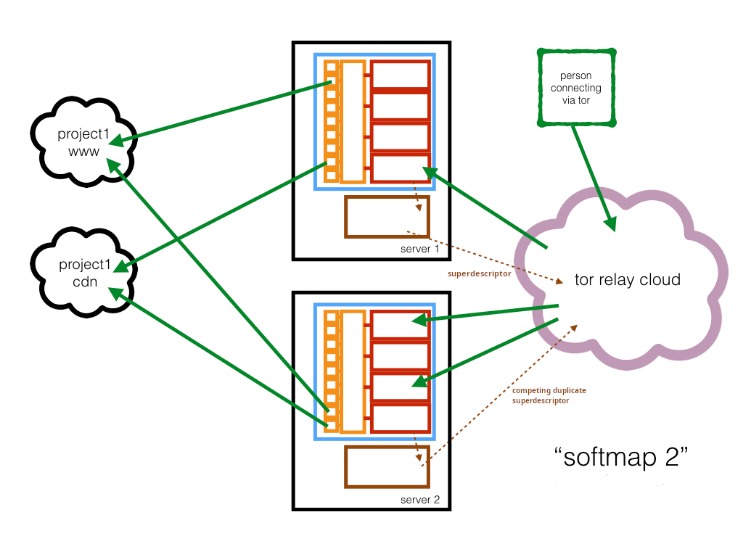
These sites can’t be found using ordinary search tools—they require specific dark web search engines and special browsers, primarily Tor, designed for anonymity and security. Mirror sites on the dark web are duplicate versions of existing .onion websites. Mirror sites are crucial for ensuring reliability and uninterrupted access, especially given the volatile nature of the dark web environment.
Tor Browser prevents someone watching your connection from knowing what websites you visit. All anyone monitoring your browsing habits can see is that you’re using Tor. Keybase is an end-to-end encrypted messaging and file-sharing tool that offers a dedicated .onion site. It works like any other popular messaging app and even offers Exploding messages that automatically delete after a fixed period of time.
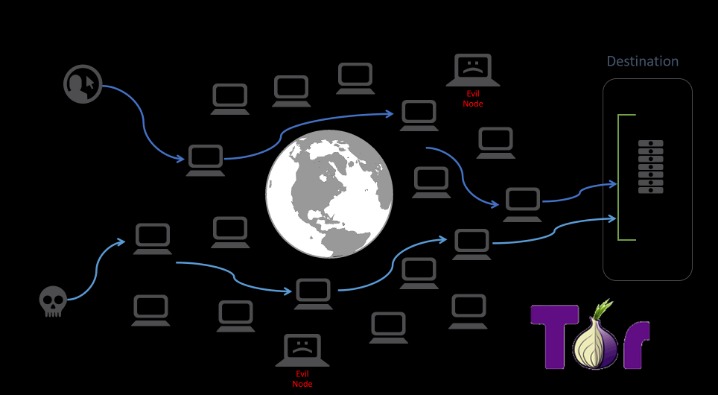
Of course, bypassing paywalls is ethically questionable and may be illegal in some jurisdictions. That’s why many people choose to do so anonymously on the dark web, rather than using the clear web version of the site. The CIA is contactable on the dark web, providing a completely anonymous way to get in touch with them. However, if you’re communicating with state intelligence agencies, you should use Tor alongside a VPN for maximum privacy. Otherwise, the first node in the onion relay system sees your real IP address, which can be used to locate you and unveil your identity. In short, even with Tor, there’s no perfect anonymity online, but there are efforts to claw back our power online, says Lewis.
Why Is Certified Ethical Hacker (CEH V13 AI) So Popular
You can also use it if you don’t want your network administrator or ISP to be aware of your Tor usage. However, if you don’t fall into these categories, or are a high-risk internet user (e.g., an investigative journalist or whistleblower), combining a VPN with Tor might be unnecessary. You can also use DuckDuckGo to find onion sites across the Tor network. The tradeoff is that you don’t get personalized search results, as DuckDuckGo doesn’t collect user data. But this tradeoff is worthwhile when seeking to browse with the utmost privacy. This level only allows website features required for static sites and basic services.
You are not required to provide your personal information to create an account. The email service is available both on the surface and on the dark web. The goal of an anonymous and privacy network, Tor, is not to engage in the extensive collection of data. However, data is required for understanding, monitoring, and improving the network.
Founded by security researcher Juha Nurmi, Ahmia is essentially a list of “hidden” sites that do want to be found. Onion sites are “crawled” and added to the list provided their “robots.txt” file permits it, and if it is not on their blacklist of sites with abuse material. Site operators can also submit their own .onion sites for indexing. Onion sites (aka Tor sites) are websites only accessible on the dark web; you can’t view them using a regular browser.
Embrace these strategies to confidently navigate the Dark Web, preserving your privacy and security in an ever-evolving digital landscape. A favorite of journalists and their anonymous sources, SecureDrop makes it easy to share confidential information without revealing your identity. Many news publications, like the ones listed above, have a SecureDrop on their .onion sites.
Law Enforcement Interventions
- It’s purely used to search dark sites, and can only be accessed via the Tor browser, and isn’t available on the clear net.
- The New York Times operates one of the biggest news sites on the Tor network, letting users access its regular news coverage with increased privacy and security.
- SecureDrop is an open-source tool that allows whistleblowers to submit confidential information to journalists and news outlets without revealing their identity.
- Facebook’s onion version lets people access Facebook in countries where access to the social network is otherwise restricted.
- SecureDrop uses Tor to provide a safe way for whistleblowers to contact various news outlets.
It works by first using a VPN and connecting to Tor afterward, hence its name. It might be because of the poorly maintained site or Tor’s slow speed because of the way it works. Either way, some sites take up to a minute or more to load, so don’t fret. However, while Tor is great, safe, and whatever you think, it’s not as great as another component – a VPN.
Introduction To The Tor Network: Security And Privacy
This prevents tracking and fingerprinting, because Tor browser isolates each website you visit, meaning that third-party trackers and ad networks can’t follow you around. Understanding the Dark Web and its access tools, such as Tor, is crucial for anyone considering exploring these hidden parts of the internet safely and responsibly. The term “onion routing” reflects how layers of encryption are applied—similar to peeling layers from an onion. With each hop through the network, a layer of encryption is removed, concealing the user’s original location and identity. One of the most popular ways to get around the dark web is not to use a search engine at all.
Stay Away From Questionable Sites
This free, open-source browser routes your traffic through multiple volunteer-run servers, scrambling your data and making it very challenging for third parties to track you. Well, as long as you don’t visit sites with underaged models or that engage in human tracking or that sell drugs and other illegal items. That’s a trick question, because there isn’t even a good free VPN, much less a best VPN. Freebie VPNs will track their users’ online usage, as they make money by selling this tracking info to advertisers and other nosy parties. We’ve also looked at how Tor allows users to access the dark web, and we’re now aware of the resources and dangers that await us there.
#1 Install A VPN
As a result, you should avoid opening unfiltered sources, torrent sites, and dark web links unnecessarily and downloading every file you come across. Lastly, the dark web is the portion of the deep web that is generally inaccessible and is much larger than the surface web. It relies on P2P connections and requires specialized tools and software. Tor and I2P are the two commonly used tools for accessing the dark web to provide anonymity. For instance, services like ProtonMail and SecureDrop (mentioned above already) have hidden sites for their users who live in countries with high levels of censorship. The anonymity provided by onion routing comes at the cost of slowing your internet considerably.
Is It Legal To Browse The Dark Web?
This platform’s library of websites currently totals 50, which may not sound impressive until you consider that all the links are active and popular. DuckDuckGo is a helpful search engine available on the Tor that allows you to browse the dark and regular web anonymously. Unlike regular search engines such as Google, Yahoo, Bing, DuckDuckGo does not store your data, ensuring complete anonymity. To access a dark web resource, you will need to know its web address to the letter.
Can You Be Tracked If You Use Tor With A VPN?
Medical records, fee-based content, membership websites, and confidential corporate web pages are just a few examples of what makes up the deep web. Estimates place the size of the deep web at between 96% and 99% of the internet. Only a tiny portion of the internet is accessible through a standard web browser—generally known as the “clear web”.
OnionLand Search
Tor was developed in the mid-1990s by United States Naval Research Laboratory employees, mathematician Paul Syverson, and computer scientists Michael G. Reed and David Goldschlag. Tor was designed to protect American intelligence communications online. Tor Browser has since become a popular tool of journalists, activists, and others that may be subject to being monitored online. The Tor browser is designed to provide improved online anonymity and security. However, be careful when using the Tor Browser to access the dark web.
Manually implies clicking the Connect button each time you open Tor, while automatically means an automatic connection whenever you open the Tor browser. Initially created to protect U.S. intelligence communications, Tor was released for public use in 2003. In 2004, the Naval Research Laboratory then released the code and made it open-source. Since then, volunteers and sponsors around the globe have maintained Tor and the Tor Browser.