So, is the dark web a lawless underworld or a misunderstood frontier for privacy and free expression? The Deep Web includes unindexed content like private databases and password-protected sites accessible with standard browsers. Many people use it for privacy-focused communication, whistleblowing, or accessing restricted information in censorship-heavy regions. Platforms like SecureDrop even allow journalists to receive tips anonymously. The dark web hosts various types of illegal content, such as stolen data, child exploitation material, and prohibited items. As an average Internet user, you may accidentally stumble upon such content.
Web Layer Access Type Indexed By Search Engines
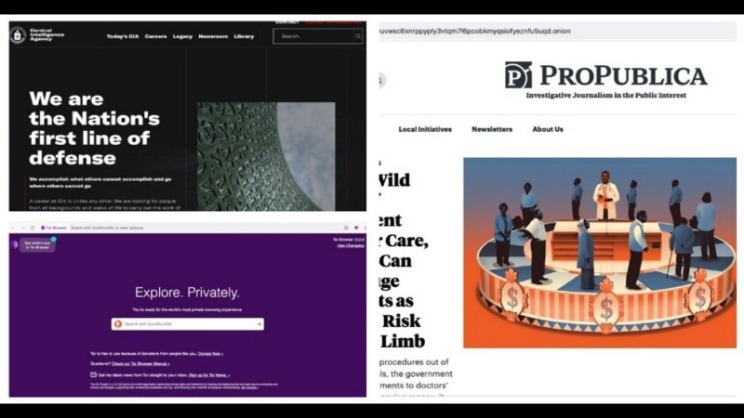
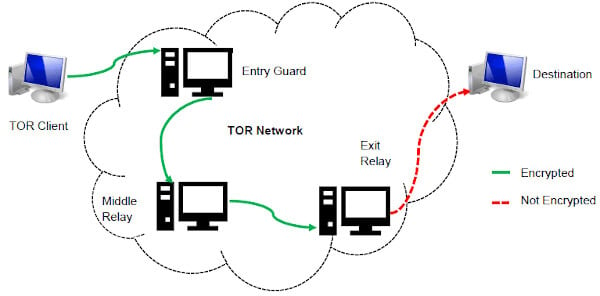
Next, select a dark web search engine like DuckDuckGo that can help you find dark web websites that cannot be indexed by traditional surface web search engines, such as Google or Bing. When accessing the dark web, the first step is to install a dark web-friendly browser on your computer. Unlike traditional browsers, this will route your internet traffic through an anonymizing network and mask your IP address.
Safety First: Browsing Tips
It is not technically part of the deep web; it is its own encrypted world. The purpose of the dark web is to give users absolute (or near absolute) anonymity. The most extreme forms of illicit content are locked in private forums. But you should not go looking for things you do not want to find the answer for. There’s no such thing as perfectly private or secure on the internet.
- To reach Geekflare.com, you can either type its URL in your standard web browser or search for Geekflare in your favorite search engine.
- These peer-to-peer, invite-only, and/or vouchering networks are faster, cheaper, and less vulnerable to disruption by law enforcement,” Kroll says.
- As surveillance intensifies and digital borders harden, the dark web is evolving in both capability and complexity.
- Whether seen as a threat or a tool for privacy, the Dark Web remains one of the most mysterious areas of the internet.
Marketplaces
The concept of an encrypted, hidden layer of the internet began taking shape in the 1990s. The U.S. Naval Research Laboratory developed the precursor to the Tor (The Onion Router) project during this period as a means to protect government communications. Other search engines like Haystak boast millions of indexed pages and advanced filtering options. However, none provide the same coverage or reliability as surface web search engines, so users often rely on forums, directories, and community recommendations to find trustworthy sites. While Tor browsers are used to access the dark web, search engines play a crucial role in facilitating the browsing experience for users. Since Google and surface-level search engines don’t work in the dark web world, users often opt for these search engines that enhance their experience and accessibility on the platform.
Some foresee the rise of “darknets” built atop decentralized platforms like IPFS or blockchain-based networks, where sites cannot be easily shut down by any government. The line between Dark Web and Surface Web may blur, raising ethical and legal dilemmas we have barely begun to address. Drug dealers and buyers alike found that digital coins left fewer fingerprints than bank wires or cash. Given enough time and resources, law enforcement can often trace funds through exchanges, especially when users “cash out” into fiat currency. Terrorist groups have distributed propaganda and recruitment materials. Dark Web forums teach would-be hackers how to exploit software vulnerabilities.
Dark Web Vs Deep Web Vs Surface Web
In 2002 the dark web began to grow significantly when researchers backed by the U.S. The Tor Network provided a way to open safe communication channels for political dissidents, while also offering a channel for American intelligence operatives to communicate from around the globe. Journalists in overly restrictive countries also appreciate the anonymity of the dark web. The dark web is infamous for containing sites such as Silk Road and other marketplaces where users could potentially buy drugs and/or weapons, stolen credit cards, IDs, and much more. The surface web (often referred to as the “visible web”) is the portion of the web available to the general public and indexed in the standard web search engines such as Google, Bing, and Yahoo.
Understanding The Mechanics Of The Dark Web
This project laid the foundation for what would later become the Tor network, which is now widely used to access the Dark Web. The dark web intelligence market experiences a dynamic increase in cybercriminal operations. 4iQ reported that stolen account credentials on the dark web experienced an 82% increase in 2022 to reach 15 billion.
Yet year after year, governments around the world pull off dramatic takedowns that read like cyber-thrillers. Sites vanish overnight, sometimes from law enforcement raids, sometimes from “exit scams” where owners vanish with millions in customer deposits. Hooded vendors hawk everything from stolen identities to rare pharmaceuticals.
Accessing the dark web isn’t like surfing the web everywhere else online. The deep web is just the part of the internet you can’t find with a search engine. It’s not mysterious or spooky; it’s home to everyday things like scientific research, medical records, private financial information, and secure communications. Cryptocurrency activities, discussions and communities, and even academic resources further populate this hidden corner of the internet. However, it is crucial to recognize the dual nature of the Dark Web, understanding that while it has legitimate uses, it also harbors risks and associations with unlawful activities.
Whether you’re exploring for curiosity or necessity, the dark web reminds us of the dual nature of technology—empowering yet enigmatic. Social networks, such as Facebook, have created dark web versions of their sites to address privacy problems related to their surface web versions. ExpressVPN had created a .onion version of its website to allow greater privacy and anonymity for Tor browser users. The deep web is made up of content that search engines such as Google do not index. Such data includes medical records, financial information, research papers, private forums and networks, and other content.
A Brief History Of The Dark Web
The dark web is the hidden part of the internet that isn’t indexed by search engines. There are also dark web search engines, like Torch, that allow you to search for some types of dark web content. You won’t always get the search results you expect, however, as the dark web doesn’t index like the clear net and many websites don’t want you to find them. A common misconception is that the dark web is the same as the deep web. The deep web refers to anything that isn’t accessible from a search engine. The deep web refers to hidden information such as medical records, membership-only sites, confidential data, and so on.
Myth 5: All Content On The Dark Web Is Easily Accessible
Keep in mind that many criminal organizations use the dark web to communicate or sell merchandise. You may very well end up in the middle of a stakeout that could turn ugly. Tor has an in-build slider which lets you adjust the level of security.
The dark web itself isn’t always illegal — some people use it for privacy and free speech in countries with strict rules. But for most, it’s best known as a space where cybercriminals trade stolen data and plan attacks. If your information lands inside the dark web, you could face identity theft, leaked passwords or even drained bank accounts. To check if your data is exposed, you can use dark web monitoring services offered by many cybersecurity companies and even some banks. These services scan hidden sites and leaked databases for your information. If they find your details, you’ll get an alert along with steps to help you respond — like changing passwords, freezing your credit, or monitoring for identity theft.
As a result, ‘Dark Web’ is often used interchangeably with ‘Deep Web,’ but in fact, they are two different things. The “Surface Web” comprises the WWW sites that are searchable using search engines such as Google or Bing. Moreover, ransomware-as-a-service (RaaS) has emerged as a significant threat, with criminal groups like REvil and GandCrab offering sophisticated malware through the dark web. These attacks not only compromise data but also threaten to release it publicly unless a ransom is paid, demonstrating a lucrative business model for cybercriminals. According to IBM Security X-Force, a notable percentage of ransomware incidents involved such groups, with REvil’s profits estimated at $81 million in a single year. As I’ve mentioned, the dark web isn’t just a place of eternal torment, teeming with drug dealers, human traffickers, and a hitman.