The Tor network and other networks that use onion routing emerged to protect online communications; not to support criminal actions. The Onion Router (hence the Tor acronym) uses three layers of encryption and a specific internet traffic routing mechanism to ensure complete anonymity. It combines strong layers of encryption with the ability to randomly bounce internet traffic through the Tor network of relays. Every time you log into your email account, check your online banking details, or use social media, you’re on the Deep Web.
Account Login
Accessing the Dark Web, a part of the web that isn’t indexed by standard search engines, is not illegal in most countries. People use it for various legitimate reasons, such as bypassing censorship in restrictive countries. The dark web hosts various types of illegal content, such as stolen data, child exploitation material, and prohibited items.
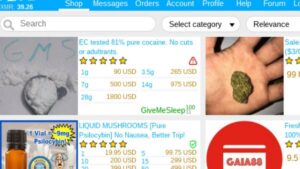
Personal information, such as banking, social media, email accounts, and Social Security numbers may be up for sale on the dark web. While it’s not illegal in many places to simply get on the dark web, the dark web is used for some illegal purposes. Many items and services for sale on dark web marketplaces are illegal, like ransomware or other strains of malware, illicit drugs, weapons, and, in some cases, human organs. They’re built on top of the normal Internet, but they require special software to access, so they aren’t normally visible or accessible to people who aren’t in the know. The deep web is just the part of the web that isn’t accessible by search engines. You won’t find these websites when you use a search engine like Google or Bing, but they’re otherwise normal websites.
What Are EWallets And How Safe Are They?
Law enforcement agencies worldwide monitor the dark web for illegal activities, such as the trafficking of illegal drugs, weapons, and stolen data. Interpol, the FBI, and Europol all have dedicated cyber units focused on dark web surveillance, often leading to high-profile arrests and marketplace shutdowns. In 2020 alone, Europol’s Operation DisrupTor led to 179 arrests globally and the seizure of $6.5 million in cash and cryptocurrency. The dark web is notorious for hosting a wide range of cyber threats that pose significant risks to individuals and organizations.
- The Dark Web is like the dark scary part of the web that holds many secrets – both good and bad.
- While in theory you can buy legitimate products and services on the dark web, remember that anonymity works both ways.
- Any internet traffic leaving the exit node is no longer part of Tor’s dark web.
- Just as you need the right tools to access the dark web, you also need the right protections to be able to stay safe on it.
- The use of tight security measures, dedicated hardware, and awareness are required to prevent these threats.
- “Threat actors are wanting to drive focus on their own brand names to gain more notoriety for themselves, such as the regular launching of new ransomware group brand names and leak sites,” says Carroll.
Are Your Kids Talking About Safer Internet Day?
Tor is both a type of connection – with the extended relays – and a browser. With your device running a Tor browser, you can go to Tor-specific sites – those with an .onion suffix — or also visit the usual sites on the open web. The connection between Tor’s dark net and the regular internet is bridged via an ‘exit node’. Any internet traffic leaving the exit node is no longer part of Tor’s dark web. For maximum security users should only access sites with the .onion suffix via the browser.
Details for credit cards carrying a balance up to $1,000 cost $150 on average, while stolen online banking login details (for an account with a balance of at least $100) go for just $40. This high barrier entry to the Dark Web exists to protect user identities, online activities and location, and maintain their anonymity. “More than 200 cryptocurrency accounts allegedly owned by the ransomware group were frozen by law enforcement, stripping the group of significant profits,” an AFP spokesperson tells CSO.
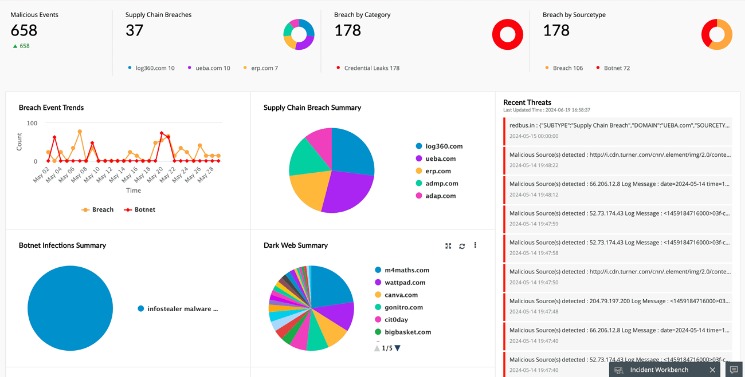
Over half of its listings pose potential risks to individuals and organizations. To counter this, dark web monitoring has become essential to detect these threats and safeguard digital privacy. The difference between the dark web and the deep web is that the deep web refers to websites and web pages that aren’t indexed by search engines, like login pages and payment portals.
Search Engines
The following are key risks of accessing the dark web you should be aware of. You can use these dark web investigation tools to check if your company’s data is available on the dark web. Freenet is a decentralized, peer-to-peer platform designed for the secure and anonymous sharing of information over the Internet.
What Should I Do If My Social Security Number Is On The Dark Web?

Websites are usually labeled with registry operators like “.com” and “.org” and can be easily located with popular search engines. The primary gateway to the dark web is the Tor browser, which stands for “The Onion Router.” Developed by the U.S. Navy and released to the public in 2004, Tor is favored for its unmatched security and privacy features. Unlike conventional browsers like Chrome or Firefox, Tor does not take the most direct path from your device to the web. Instead, it routes your connection through a series of encrypted servers, or nodes, to maintain anonymity for both users and websites.
- Dark web, websites not indexed by search engines and theoretically possible to visit with complete anonymity.
- Dark web encryption allows website owners and users to stay completely anonymous during their engagement.
- On the software end, the use of Tor and other anonymized browsers is not strictly illegal.
- However, remaining anonymous can be invaluable to protesters, civil rights groups, journalists, lawyers, and other vulnerable groups.
- It’s important to approach the Dark Web with caution, use proper security measures, and always be aware of the legal and ethical implications of your actions.
Dark Web Phishing Kits: How Hackers Sell Ready-Made Scams
Any of these scenarios are a crystal clear warning sign of identity theft. That’s why family identity theft protection and financial fraud protection are key security layers needed to keep your life safe and secure. Some use the Tor Project and Freenet as synonyms for the Dark Web, but that’s incorrect.
The terms Darknet, Deep Web, and Clear Net are often used interchangeably, but they refer to distinct parts of the internet, each serving different purposes and accessibility levels. As the digital world continues to evolve, the Dark Web will undoubtedly remain an important and often controversial part of the internet’s landscape. Whether used for good or ill, its shadowy nature is unlikely to fade anytime soon. One of the most famous examples is WikiLeaks, the international organization that publishes classified and sensitive documents.
What Is The Tor Browser?

The dark web is a subset of the deep web, which is all content on the internet that isn’t indexed by search engines. To access the Dark Web, users typically rely on software like Tor (The Onion Router). Tor is one of the most widely used tools for accessing the Dark Web and provides anonymity and privacy to its users. It achieves this by encrypting and routing internet traffic through a worldwide network of volunteer-operated servers. Each time a user accesses a website on the Dark Web, the connection is bounced through multiple servers, making it extremely challenging to trace back to the original user’s location or identity. Just because the IP addresses of those sites are kept hidden, however, doesn’t mean they’re necessarily secret.

Can I Protect My Privacy Without Going Onto The Dark Web?
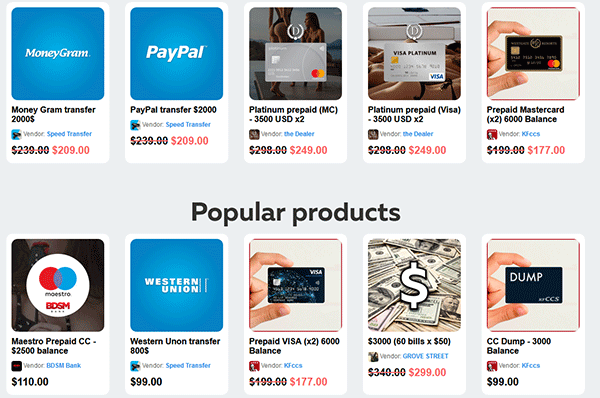
To further enhance your safety, you can use dark web scanners to know if your personal information has been compromised. If you decide to visit these marketplaces, exercise extreme caution and remain aware of the legal implications of your actions. Always prioritize your privacy by not sharing personal information, and use additional security measures like a VPN to further protect your identity. Remember, while the dark web hosts a range of content, accessing illegal materials or services is, well, illegal. In 1989, Ian Clarke launched the Freenet project, which aimed to allow anonymous online interactions at a time when internet anonymity was difficult to achieve.
Payment for such services generally involves Bitcoin, a digital currency. Tor routes your internet traffic through a global network of volunteer-operated servers, hiding your location and encrypting your data at multiple levels. This makes it nearly impossible for anyone—governments, internet providers, or hackers—to trace your browsing activity back to you. While the Tor Browser looks and feels similar to Firefox, it’s specifically designed to connect to websites that aren’t accessible via regular browsers.
You’ll need a specialized dark web search engine, like Ahmia or DuckDuckGo’s Tor service, which can help you locate onion sites (also called Tor sites). This level of anonymity makes the dark web a haven for illegal activities, such as drug trafficking and various types of cybercrime. The dark web operates in a realm where privacy is paramount, but its potential for misuse requires you to tread with caution.